A Residential
Recovery Program
That Works

Program Overview—A Different Approach

Above everything: Our goal is to help men in a state of desperation end their cycle of addiction, take back control of their lives, and transition to a safe and sober living environment where they can become productive, contributing members of their families and our community.

To help them get there, Step developed the Steps for Success program based on our four pillars: Sobriety, Work, Accountability, and Community.

Highly motivated men are given the opportunity to recover through our Peer Recovery Support Model. Through a long-term residential program, men are given the opportunity to work on their addiction recovery, receive career counseling, and obtain full-time employment. Equally as important, residents are given the time, runway, and guidance to develop the life skills necessary to rebuild their lives and become self-sufficient:

-Make a bed

-Do their laundry

-Purchase and prepare their own food

-Navigate transportation

-Financial literacy and budgeting

-Physical health and fitness

-Healthy social and recreational activities

-Spiritual growth

Unlike traditional programs, Step residents aren’t in a bubble. They are out in the community facing stress, facing temptation, facing challenges and putting into practice in real time what they are learning in the program. They actively put the pieces of their life back together and are living their recovery – not just learning about it.

Step holds men accountable to be personally responsible for rebuilding their own lives, which is the only way dignity, self-esteem, and lasting success is achieved. 

Upon entering the Steps for Success program, residents are each assigned a Recovery Support Manager (RSM) to provide guidance and accountability, and to help them develop S.M.A.R.T. goals in eight areas of their life: employment/education/volunteering, recovery sponsorship (AA, NA, CA), spirituality, family, peer support, social/leisure, physical/dental health, financial/legal.

This process helps an individual reduce the fear and anxiety that often times lead to relapse. Yes, when an individual completes a program, they he might have stopped using. And, in our experience, they will start using again to cope with the stress of life unless they have developed the abilities to take care of themselves. They do this with the help of others who are going through the same experience.

At Step, together, we can stay sober and build a life worth living.

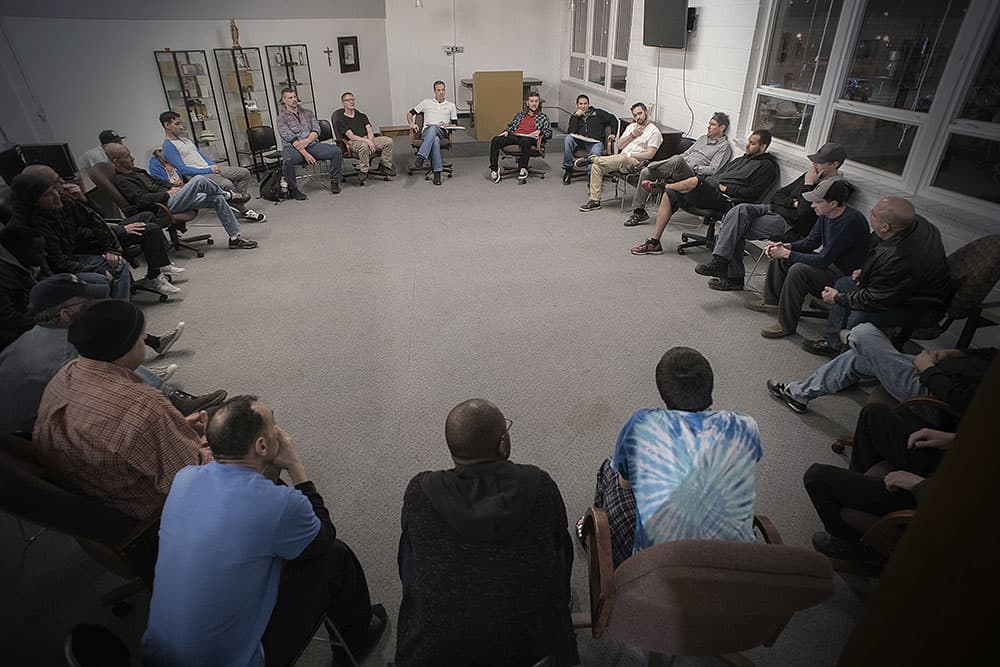
recovery meeting circle

Steps for Success

Our program consists of four phases designed to help men get sober, stay sober, and rebuild their lives—one step at a time.

Stability

Phase One:

Stability

Residents build their foundation and develop healthy daily routines, placing recovery in the forefront of their priorities. In addition to meeting weekly with their RSM, residents receive employment education and coaching from Step’s Career Counselor and obtain a full-time, tax-paying job. Moving out of ‘survival mode’, residents begin to build confidence and are provided the impetus to continue their journey.

Development

Phase Two:

Development

Residents develop a recovery plan and address outstanding responsibilities including financial and legal matters. Specific, attainable, and measurable goals are set; with men clearly defining what they would like to accomplish. RSMs continue to provide examples of challenges they personally faced while working to rebuild their lives in the program, ways they overcame obstacles, and provide hope as living proof that these milestones are possible. As residents progress, they meet regularly with the Career Counselor to receive guidance in obtaining a transitional, higher paying job to support their financial goals and security moving forward.

Transition

Phase Three:

Transition

Residents begin transition planning, budgeting for future costs and living expenses, and identifying outside support and resources. At this stage of the program, men begin seeking career path employment, continue working the 12 Steps with their sponsor, establish a home group meeting (AA, NA, CA) in the community, and implement the necessary coping mechanisms to defend against triggers that may lead to relapse.

Community (Sober Living)

Phase Four:

Community (Sober Living)

Residents move into one of Step’s Sober Living Homes which provides additional time in a safe, structured environment. Sober Home residents continue to meet with their RSM and are held accountable, but with additional freedoms to prepare for independence beyond Step. Phase IV residents continue to participate in programming at the Primary Facility and begin taking on leadership roles in small groups and peer recovery activities.

Step Recovery
Privacy Overview

This website uses cookies so that we can provide you with the best user experience possible. Cookie information is stored in your browser and performs functions such as recognising you when you return to our website and helping our team to understand which sections of the website you find most interesting and useful.